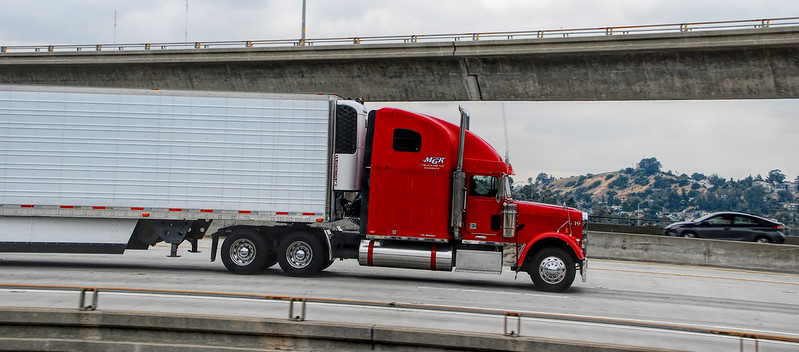
How to Start a Trucking Company in 2026: Step-by-Step Guide for New Carriers

Learning how to start a trucking company can feel overwhelming because of regulations, licenses, and upfront costs. This complete, SEO-optimized guide breaks the process down step by step, using official government sources, so you can start a trucking company legally and efficiently.
Whether you want to become an owner-operator, run a small trucking company, or scale into a fleet, this guide covers everything you need.
Step 1: Decide What Type of Trucking Company You’re Starting
Before registering anything, you must define your trucking business model. This determines what licenses, permits, and authority you need.
Carrier vs Broker vs Freight Forwarder
- Motor Carrier - You own or operate trucks and haul freight.
- Freight Broker - You arrange freight transportation but do not haul freight.
- Freight Forwarder - You arrange and may consolidate shipments and sometimes transport them.
FMCSA explanation:
What is Operating Authority (MC Number) and Who Needs It?
Interstate vs Intrastate Trucking
- Interstate trucking - Crossing state lines or hauling interstate commerce.
- Intrastate trucking - Operating within one state only (state DOT rules apply).
We wrote more about the difference here.
Step 2: Choose What Freight You’ll Haul and Your Equipment
Your cargo type affects insurance costs, licensing, and revenue potential.
Common Truck and Trailer Types
- Dry Van - General freight, easiest way to start a trucking company.
- Reefer - Refrigerated freight, higher rates but more maintenance.
- Flatbed / Step Deck - Construction and industrial freight.
- Hotshot Trucking - Heavy-duty pickup with trailer, lower startup cost.
- Box Truck / Straight Truck - Local and regional freight.
- Tanker - Liquids or gases, requires endorsements.
- Car Hauler - Vehicle transport, higher liability.
Step 3: How to Get Trucks for Your Trucking Company
Buy a Truck
- Full ownership and equity
- Higher upfront costs
- Full maintenance responsibility
Lease a Truck
- Lower upfront cost
- Watch for mileage limits and contract restrictions
Rent a Truck
- Short-term or testing operations
- Higher per-mile cost
Lease-On to Another Carrier
- Operate under another company’s authority
- Faster startup
- Less independence
Step 4: Register Your Trucking Business and Get an EIN
To legally start a trucking company, you’ll need:
- An LLC or corporation
- A business bank account
- An Employer Identification Number (EIN)
Get your EIN for free from the IRS:
Apply for an EIN Online
Step 5: Get a USDOT Number (Required for Most Trucking Companies)
What Is a USDOT Number?
A USDOT number is used by FMCSA to track safety records, inspections, and compliance.
How to Apply
Apply through FMCSA’s Unified Registration System (URS):
Step 6: Get Your MC Number (Operating Authority)
If you operate for-hire and interstate, you must also apply for Operating Authority, often called an MC number.
FMCSA guidance:
Do I Need an Operating Authority?
Step 7: File Form BOC-3 (Process Agent)
A BOC-3 filing designates a process agent who accepts legal documents on your behalf.
Official explanation:
BOC-3 Process Agent Information
This is typically filed by a professional process agent service.
Step 8: Get Trucking Insurance and File Proof with FMCSA
Insurance requirements depend on:
- Cargo type
- Authority type
- Vehicle weight
Your insurer must file proof directly with FMCSA.
Official resource:
FMCSA Insurance Filing Requirements
Step 9: Register for Unified Carrier Registration (UCR)
Most interstate trucking companies must register annually with UCR.
Step 10: Complete Required Trucking Taxes and Credentials
Heavy Vehicle Use Tax (HVUT)
Required for trucks 55,000 lbs or more.
IRP (Apportioned Plates)
Allows interstate trucking with one registration.
IFTA (Fuel Tax Reporting)
Simplifies fuel tax reporting across states.
Step 11: Driver Licensing and CDL Requirements
Most drivers must have a Commercial Driver License (CDL) and required endorsements.
FMCSA resource:
Commercial Driver License Information
Step 12: Prepare for the New Entrant Safety Audit
All new interstate trucking companies must pass FMCSA’s New Entrant Safety Audit.
Official guidance:
New Entrant Safety Assurance Program
Step 13: Start Hauling Freight and Running Your Trucking Company
How Trucking Companies Find Loads
- Load boards
- Direct shipper contracts
- Broker relationships
- Freight agents
Trucking Back Office Essentials
- Rate confirmations and POD tracking
- Invoicing and collections
- Factoring (optional)
- Maintenance and safety programs
Quick Checklist: How to Start a Trucking Company
- Choose trucking business model
- Select freight and equipment
- Buy, lease, or rent trucks
- Register business and get EIN
- Apply for USDOT number
- Get MC number if required
- File BOC-3
- Secure trucking insurance
- Register UCR
- File HVUT
- Register IRP and IFTA
- Pass New Entrant Safety Audit
Summary
Starting a trucking company requires planning, compliance, and patience, but when done correctly, it can be a profitable and scalable business. This guide gives you everything needed to start a trucking company from scratch using official sources and proven steps.
Verify a motor carrier
Search by USDOT number, company name, or MC/MX/FF number. You can start with the free carrier lookup—no account required.
You might also like