What Is an MC Number? A Detailed Guide to FMCSA Operating Authority

In the trucking and logistics world, an MC number is one of the most important identifiers a carrier can have. If you haul freight or passengers for hire across state lines, your ability to operate legally often depends on it.
This article explains what an MC number is, how it works, who needs one, and how it differs from other registrations like a DOT number.
What Is an MC Number?
An MC number (Motor Carrier number) represents a company’s federal operating authority issued by the Federal Motor Carrier Safety Administration (FMCSA).
Unlike identification numbers that track safety data, an MC number gives a business legal permission to operate in interstate commerce for hire. It defines what kind of transportation services a company is allowed to provide and under what conditions.
MC numbers are sometimes labeled differently depending on the operation:
- MC - motor carriers and brokers
- FF - freight forwarders
- MX - Mexico-domiciled carriers
All of these fall under FMCSA operating authority.
What Does an MC Number Allow You to Do?
Holding an active MC number means your business is authorized to:
- Transport regulated freight across state lines for payment
- Transport passengers in interstate commerce
- Act as a freight broker arranging transportation for others
Without this authority, a company may be limited to private carriage or intrastate-only operations, depending on the situation.
MC Number vs DOT Number: What’s the Difference?
MC numbers and DOT numbers are often mentioned together, but they serve very different roles.
- A DOT number is used to identify a company and track safety, inspections, crashes, and compliance.
- An MC number grants operating authority, meaning the legal right to conduct certain types of interstate transportation.
Many companies need both, but not all.
If you want a deeper explanation of DOT numbers, you can read our full guide here:
What Is a USDOT Number? Everything You Need to Know
Who Needs an MC Number?
You typically need an MC number if your business:
- Transports goods for other companies for compensation across state lines
- Transports passengers for hire between states
- Operates as a freight broker or freight forwarder
- Hauls federally regulated commodities in interstate commerce
This applies whether you own one truck or operate a large fleet.
Who Does Not Need an MC Number?
Some operations are exempt from needing operating authority, including:
- Private carriers hauling only their own goods
- Carriers hauling only exempt commodities
- Businesses operating strictly within one state and not engaged in interstate commerce
- Certain carriers operating solely within designated commercial zones
That said, exemptions can be nuanced, so it’s important to verify based on cargo type and business model.
How to Apply for an MC Number
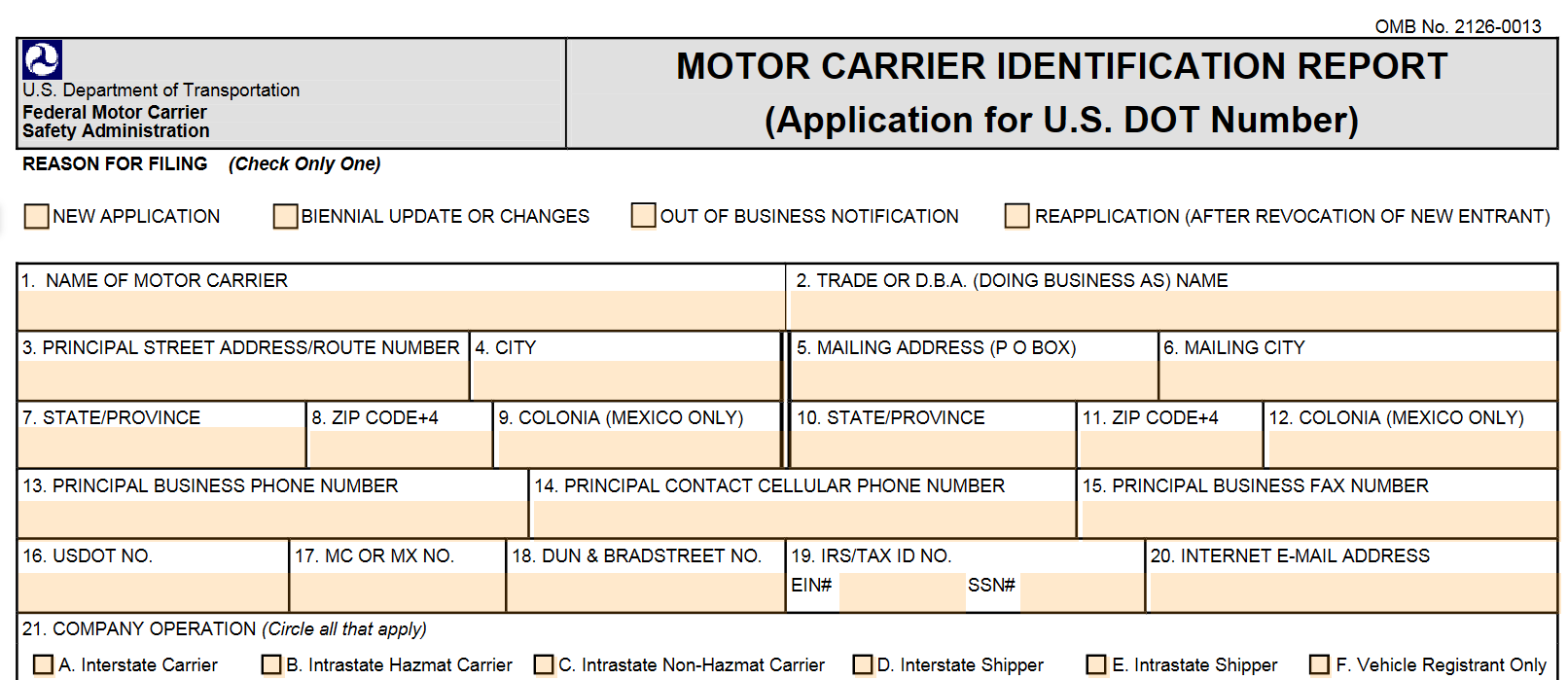
To obtain an MC number, you must register with the FMCSA and apply for operating authority.
The process includes:
- Submitting an application through the FMCSA registration system
- Paying the federal filing fee (currently $300 per authority type)
- Obtaining required insurance coverage
- Filing a BOC-3 form to designate process agents
If your company does not already have a DOT number, one is typically issued as part of the application.
MC Number and Insurance Requirements
Insurance is a critical part of MC authority approval.
Before your authority becomes active, you must:
- Carry the minimum required liability insurance for your operation type
- Have your insurer file proof of coverage directly with the FMCSA
Operating authority will not activate until all insurance requirements are met.
Interstate Commerce and Operating Authority
MC numbers are tied specifically to interstate commerce. This includes:
- Crossing state borders while transporting goods or passengers
- Transporting goods that originated in another state, even if you don’t cross a border yourself
- Arranging interstate transportation as a broker
Because interstate commerce rules can be complex, many carriers mistakenly believe they do not need authority when they actually do.
Are MC Numbers Being Phased Out?
FMCSA has been moving toward using DOT numbers as the primary identifier in some systems, but operating authority itself is not going away.
Even if MC numbers become less visible over time, carriers must still hold valid authority and meet all regulatory requirements based on their operation type.
Why MC Numbers Matter
An active MC number:
- Confirms a carrier is legally authorized to operate
- Protects shippers and customers
- Ensures carriers meet insurance and compliance standards
- Reduces fraud and unauthorized hauling
Operating without required authority can result in fines, shutdown orders, and loss of business relationships.
Final Thoughts
An MC number is more than just another registration - it is the legal foundation for for-hire interstate transportation. If your business hauls freight, moves passengers, or brokers loads across state lines, understanding MC authority is essential.
Before operating, always confirm whether your business model requires an MC number and make sure it stays active and compliant.
Look Up MC Numbers and Company Snapshots
If you want to review a carrier’s operating authority, insurance filings, safety records, or crash history, you can search using either an MC number or DOT number at usdotdata.com.
This allows you to check company snapshots, verify compliance, and better understand a carrier’s operational history before doing business with them.
Read more from the official FMCSA resource as well.
Verify a motor carrier
Search by USDOT number, company name, or MC/MX/FF number. You can start with the free carrier lookup—no account required.
You might also like
UCR Registration in 2026: Who Must File, Fees, and the Official Portal
What Is a USDOT Number? Everything You Need to Know